Subtitle: It’s not flashy. It’s not expensive. But without it, half your pantry would fall apart.
Let’s try a quick mental experiment.
Imagine a world without tinplate.
· Your tea goes stale in a plastic bag after two weeks
· Your biscuits arrive soft and sad
· No canned soup. No pet food without refrigeration.
· That fancy mints tin you keep in your bag? Gone.
Doesn’t sound like a big deal — until you realize:
Tinplate has been quietly running the background of your daily life for over a century.
And almost nobody talks about it.
Until now.
01. It’s Not “Just a Tin Can”
Most people think tinplate = cheap metal + a thin layer of tin.
Technically yes. But that’s like saying a smartphone is “just glass and wires.”
Here’s what actually makes tinplate special:
· Steel gives it strength and formability
· Tin gives it rust resistance and food-safety approval
· Precision manufacturing (cold rolling, annealing, electroplating) makes it consistent down to microns
—— It’s not as expensive as stainless steel.
—— It’s not as cheap-feeling as plastic.
—— It’s the Goldilocks of food-grade metals.
---
02. Tinplate Was “Green” Before Green Was Cool
Everyone talks about ESG, circular economy, and carbon neutrality now.
Tinplate? It’s been doing that since the 1900s.
· 100% recyclable
· Infinitely recyclable without losing quality
· Lower recycling energy than aluminum or plastic
· No “degradation” — it just becomes another tinplate
A can of beans today
→ recycled tomorrow
→ becomes a car part next month
→ and eventually comes back as a cookie tin.
—— Tinplate doesn’t die. It just changes jobs.
---
03. Why Premium Brands Secretly Love It
Have you ever noticed?
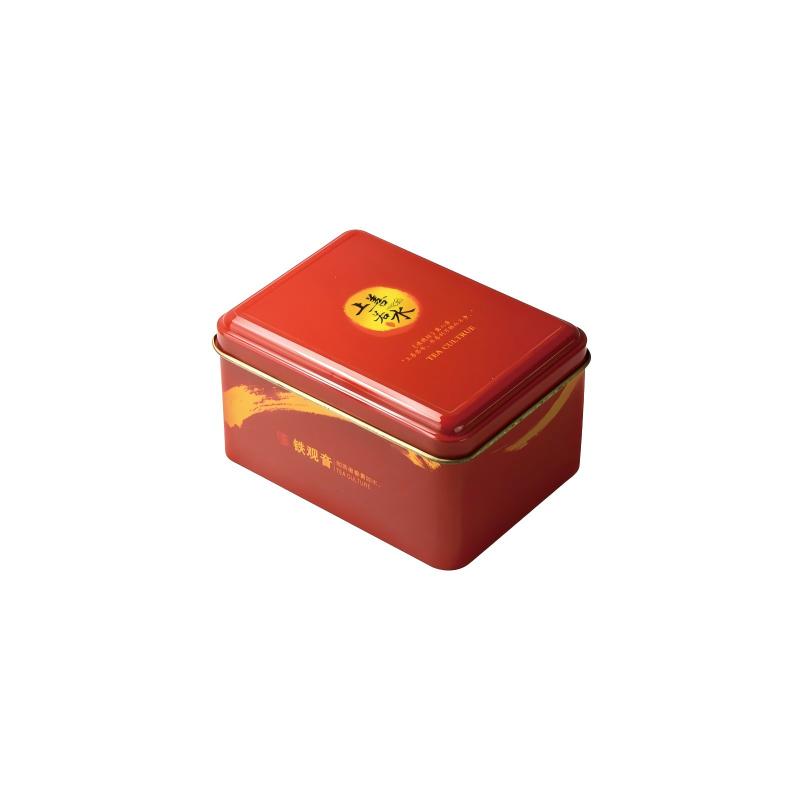
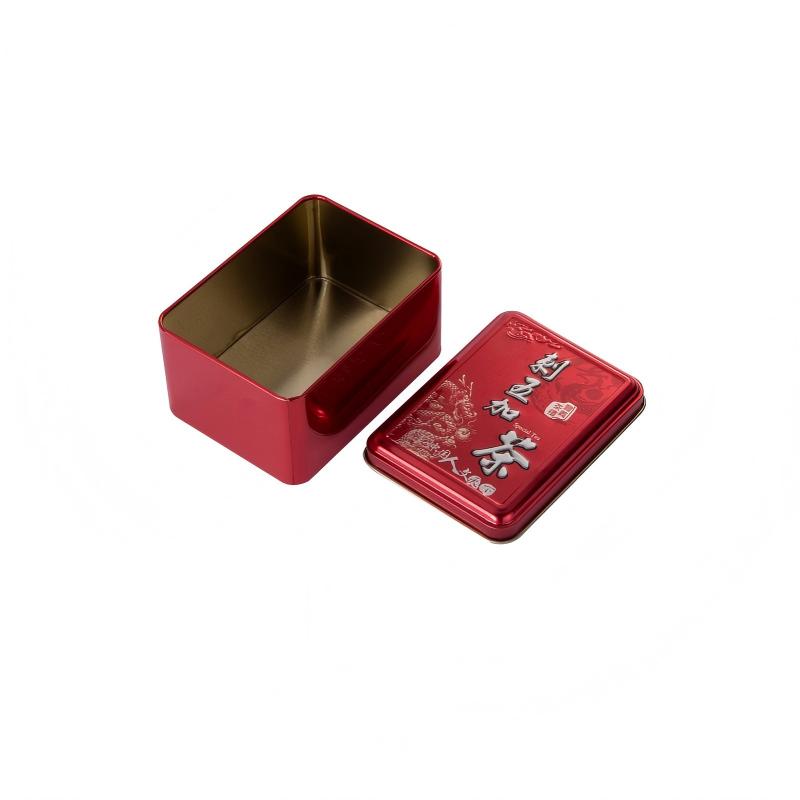
· Premium tea → almost always tinplate
· Export food packaging → buyers insist on tinplate
· Holiday gift boxes, limited editions, brand collabs → tinplate first
Why?
Because tinplate says something without saying a word:
· Heavy enough → feels valuable
· Snaps shut → feels trustworthy
· Blocks light → protects what’s inside
· Printable → your brand design looks expensive
—— It’s not loud. But it makes your brand feel reliable.
---
04. Tinplate Is Getting Smarter (Yes, Really)
Still think tinplate is just a rusty old can?
Think again.
Today’s tinplate is quietly integrating with:
· NFC chips → tap your phone to see product origin, recipes, or unboxing AR
· E-paper displays → prices and expiry dates updated wirelessly
· Blockchain anti-counterfeiting → every can becomes a digital ID
The material hasn’t changed.
What you can do with it has.
05. The One Thing Nobody Talks About: Emotional Value
This is subjective. But it’s also very real.
Ask yourself:
· Why do you keep that mint tin long after the mints are gone?
· Why does an old biscuit tin stay in your parents’ kitchen for 20 years?
· Why does a tinplate gift box end up on your desk, not in the trash?
Because plastic gets thrown away.
Cardboard collapses.
But tinplate stays.
It becomes a keepsake.
A memory holder.
A small, metal container of “I don’t want to forget this.”
—— That’s not packaging.
That’s emotional infrastructure.
Final Thought: Don’t Underestimate a Piece of Metal
Tinplate isn’t the lightest.
It isn’t the cheapest.
It isn’t the shiniest.
But it has three things most modern materials lost:
· Honesty – it does exactly what it promises
· Durability – it outlasts trends and seasons
· Quiet dignity – it never begs for attention
Next time you pick up a tin can, a tea tin, or a holiday gift box made of tinplate —
take a second.
You’re holding one of the most quietly brilliant inventions in human history.
Short Social Media Version (LinkedIn / Instagram Caption)
Tinplate isn’t trendy.
But it’s been holding your tea, your memories, and your pantry together for over 100 years.
100% recyclable. Infinitely reusable. Quietly brilliant.
Next time you see a tin can — nod at it.
It’s earned your respect.



 +86 595-85738778
 sales1@xingtaican.com